Sixteen Trees of the Somme – book review

Sixteen Trees of the Somme, by Lars Mytting

There is something about Norwegian writing that reminds me of Irish literature. It’s so centred on place, it’s the being there that grounds the story. We are different here, these stories say, our culture is wrapped around our traditional ways based on a history, geography and climate that are distinctly our own. It’s like the country itself has a voice. We are beginning to understand this power in New Zealand writing and could take lessons from these countries, for sure. Lars Mytting’s voice is profoundly Norwegian. There is always the expectation of snow on his boots and trolls under the woodpile.

Sixteen Trees of the Somme has a long reach. The base of the story is a Norwegian farm – mostly in the snow but summer visits occasionally – and it’s a mystery and a history and a resistance story and has love and travel and coming of age, a history of gun making and an obsession with trees and their particular wood and so many other things. Lots of secrets to unravel. It kept me spellbound.

Continue reading “Sixteen Trees of the Somme – book review”
Songbirds of Florence–book review

Songbirds of Florence by Olivia Spooner

Like a very many others, Songbirds of Florence is in my Christmas shopping basket. It’s a gift for a darling Italian friend, who is far too busy this week to read my posts. I think everyone is buying this book (and it was still at number one on 14th December, so they really are) for one simple reason. Because it will make the recipient feel good. Merry Christmas!

Continue reading “Songbirds of Florence–book review”

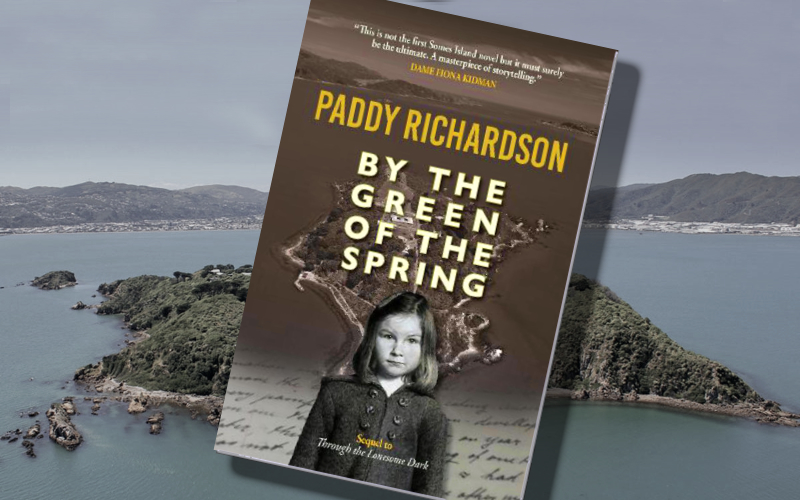
By the Green of the Spring – book review

By the Green of the Spring, by Paddy Richardson

A much anticipated sequel to Through the Lonesome Dark, By the Green of the Spring takes our three young people: Otto, Clem and Pansy on with the lives that hung in a troubling denouement at the end of the first book. There is also Lena, Pansy’s daughter, who takes up the story of her parents’ lives through a child’s eyes.

Continue reading “By the Green of the Spring – book review”

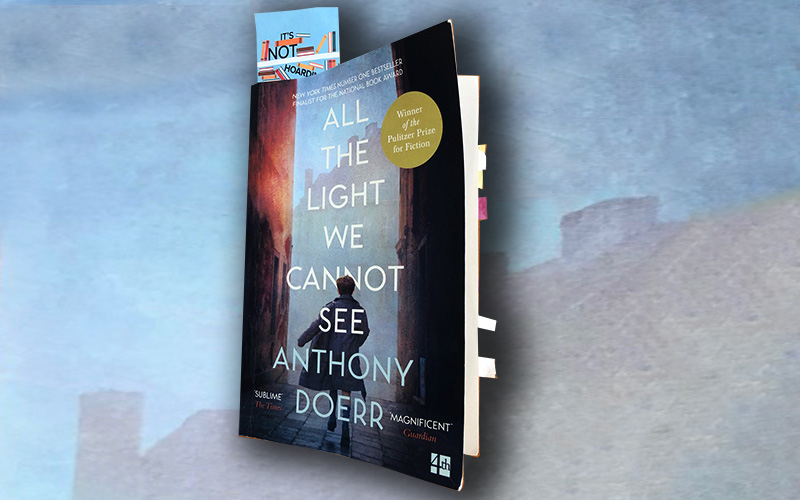
All the light we cannot see—book review

All the light we cannot see, by Anthony Doerr

This is another war story (they are so unavoidable). It’s the story about the frog in the pot of water: the one where the frog will jump out of boiling water, but won’t take action if the heat is applied slowly, and so cooks. Here it’s used as a metaphor for complacency as the Germans move in and occupy France, and also, I think, of the German people themselves becoming immune to the violence building in their own country. Interesting in that we are invited to have sympathy for both the main characters as victims of war, even though one is a blind French girl and the other a partly radicalised Nazi youth. If you’ve wondered how nice kids were turned into Nazis, here it suggests they were put in the pot when the water was cool and inviting, and were cooked from the inside out.

Continue reading “All the light we cannot see—book review”

The Rose Code – book review

The Rose Code by Kate Quinn

Bletchley Park is all about the Enigma machine and Alan Turing who broke the German codes and won the war, pretty much single-handedly, right?

It’s quite alarming how a good story comes to dominate the historical narrative. On the periphery of Turin’s story is a cast of thousands, and The Rose Code, with barely a mention of Turin, brings these outsiders to the core and shines a light on their extraordinary achievements.

Continue reading “The Rose Code – book review”

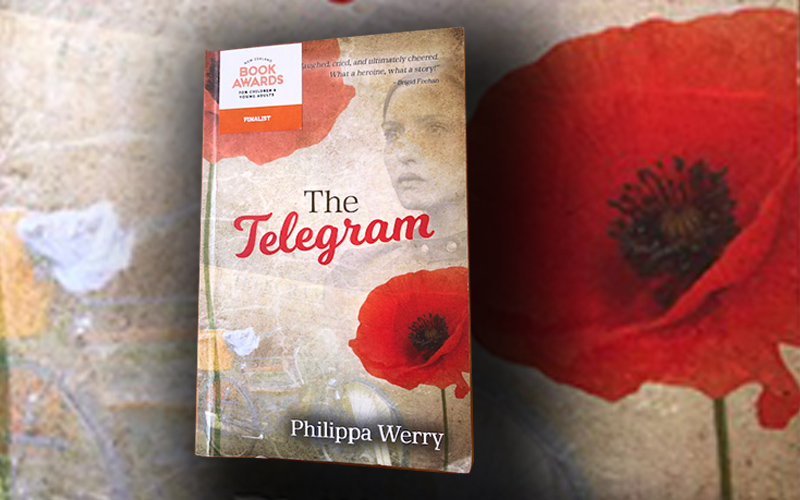
The Telegram – book review

The Telegram by Philippa Werry

I love a good YA fiction that goes deep, and The Telegram by Philippa Werry certainly delivers. A young reader will enjoy the story of Beatrice cycling around her small kiwi town on her bike, changing from a schoolgirl to a young woman with the harrowing responsibility of delivering telegrams during the first world war. She makes and loses friends, delivers news of celebration and (more often) tragedy to families, writes letters as she waits for the boy next door to return from the front, and celebrates the war’s end just as the ‘flu rolls into town.  Continue reading “The Telegram – book review”

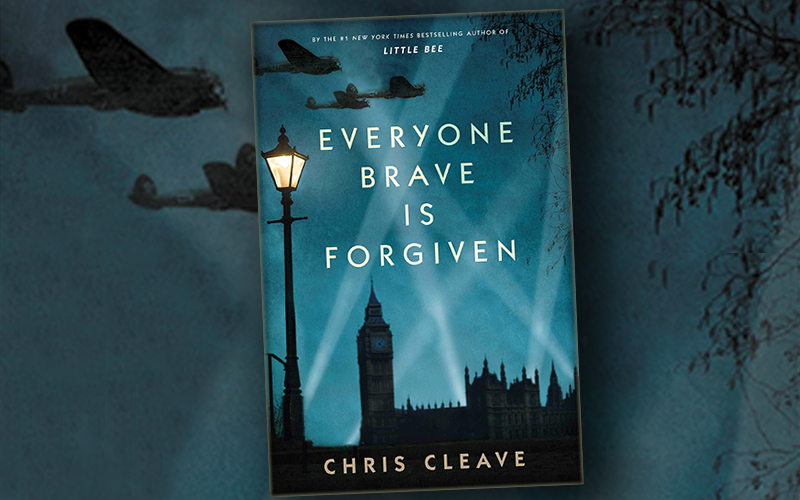
Everyone Brave is Forgiven – book review

Everyone Brave is Forgiven by Chris Cleave

I read this last year and didn’t review it at the time because of my self-imposed ban on war as a setting. I bang on about it, but it does worry me that our go to narrative for intense emotion is war. Is this why we’ve been systematically at each others throats since the dawn of time? Because we crave powerful emotion?

With that off my chest, I have to say this is a terrific story. Continue reading “Everyone Brave is Forgiven – book review”

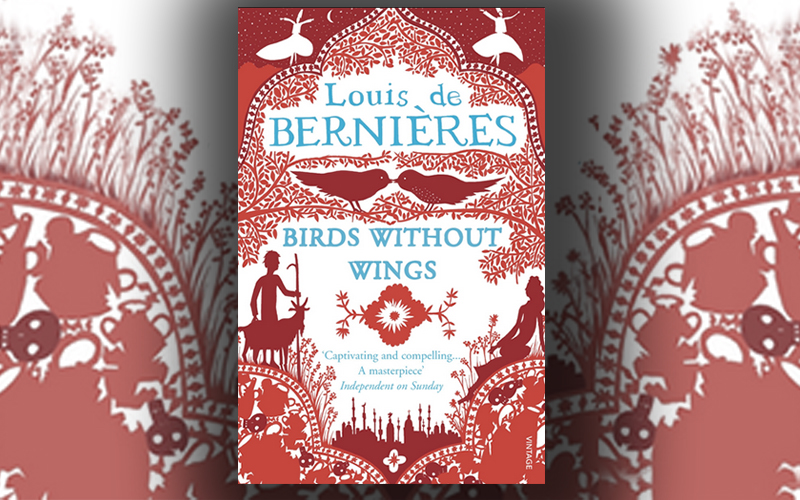
Birds without wings – book review

Birds without wings by Louis de Bernières

God, this is horrific. If you’re looking for a sweet but deep sequel to Captain Corelli’s Mandolin, which is what the bloke in our book club thought he was giving us, this is way out of your depth.

This is Turkey before, during and after WWI, the waning years of the Ottoman Empire. I don’t voluntarily read war stories, but this was for book club and having been brought up on the glorious allies, I was interested to read the perspective of the other side’s glorious allies. But I was sickened by the brutality and inhumanity in this story. De Bernières writes with such clarity and perception there are images painted in my head I will never wipe clean. Continue reading “Birds without wings – book review”

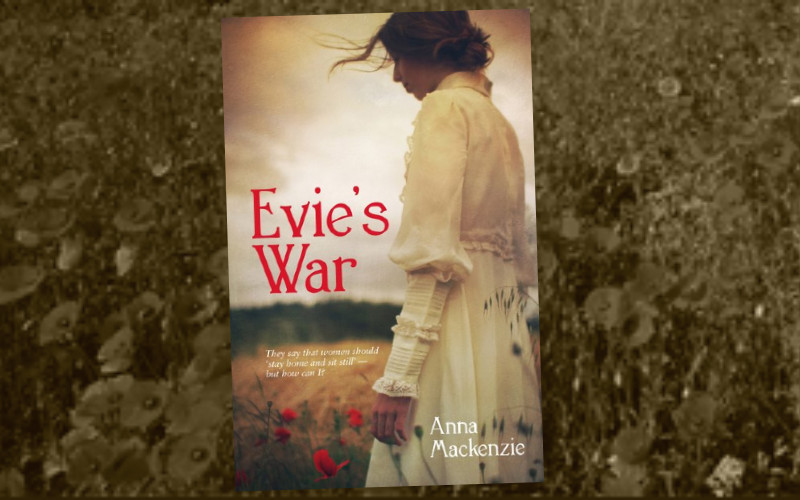
Evie’s War – book review

Evie’s War, by Anna Mackenzie

A fictionalised diary is a difficult way to tell a story because although you hear the intimacies of one person’s mind, you get no one else’s point of view and none of the direct action. The story is delayed—you are told about events afterwards, once the immediacy has gone. It’s a hard format to pull off. Could Evie hook me? Continue reading “Evie’s War – book review”