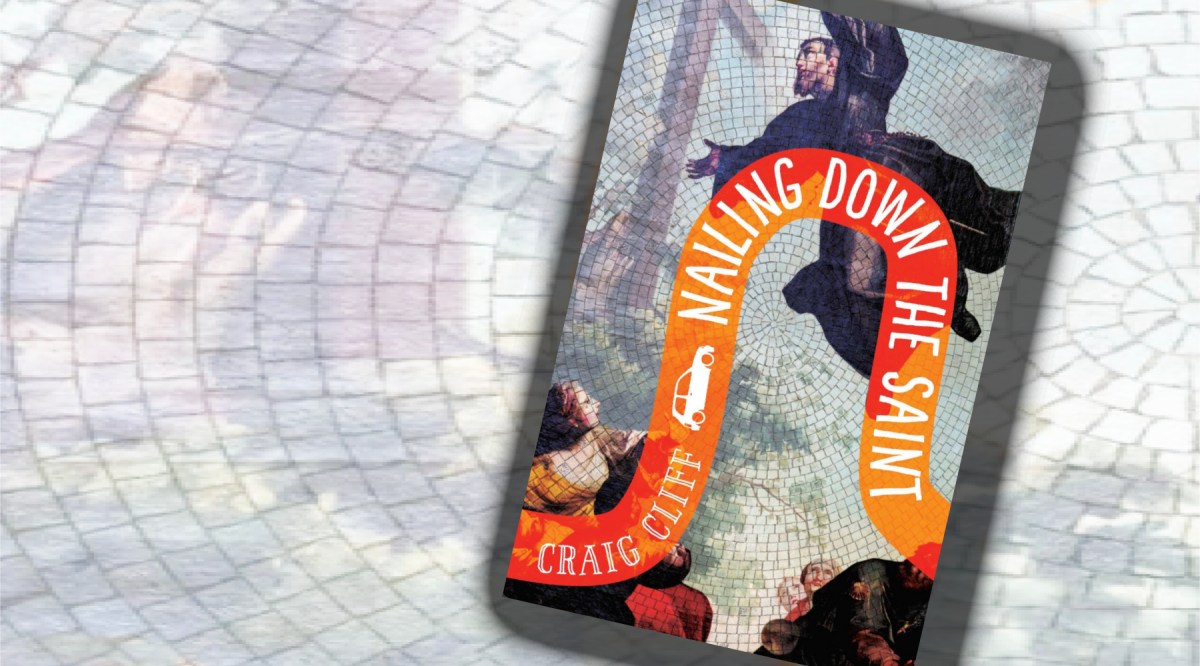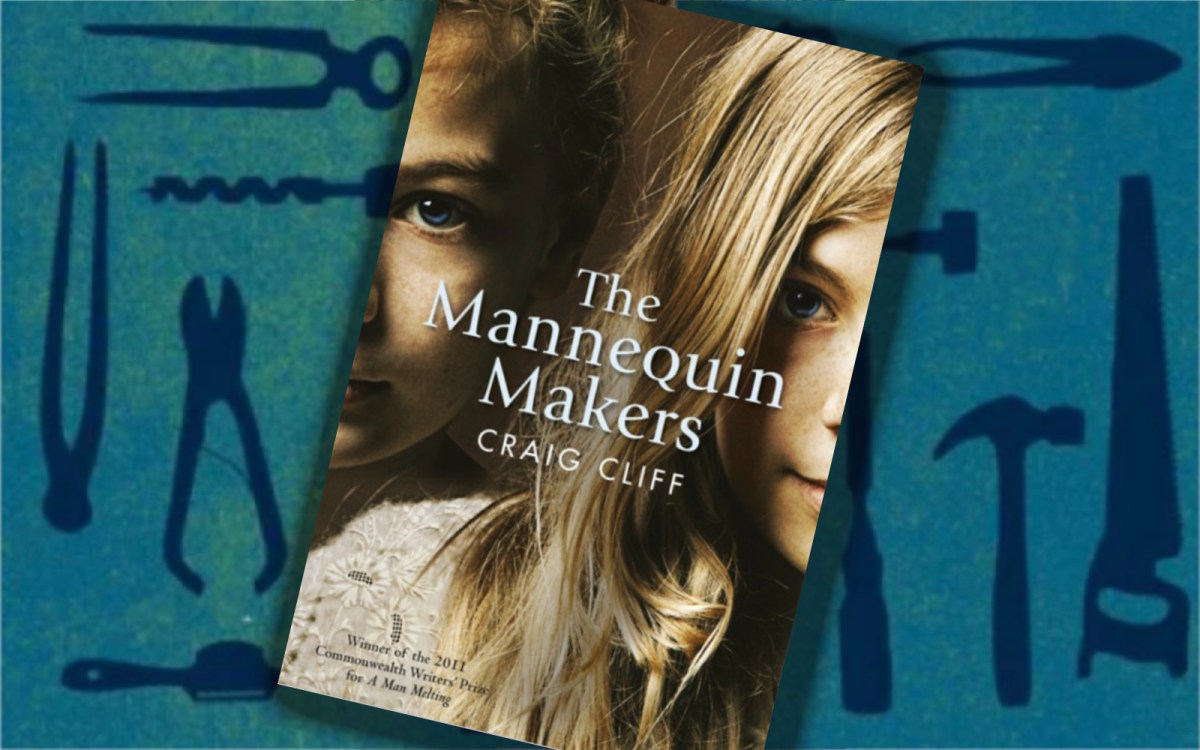
Craig Cliff’s The Mannequin Makers was such a hit for me recently, I thought I’d give another of his books a whirl. Nailing Down the Saint sounded suitably quirky and it is, indeed, a very odd book. Lots of it I just didn’t get. So much of the detail – music, film, cultural – was out of my frame of reference so the nuances skipped past me. Wet Sprocket and heavy metal TOÄD, anyone? George Costanza’s answering-machine message? I didn’t look any of this stuff up, though it might be funny. And the story rambled on for a very long time without me ever really understanding whether the protagonist was winning, whether he was a genius or a sad weirdo, what the point of the story was. But you know what? I loved it. It felt authentic, in a way even the best New Zealand books seldom do.
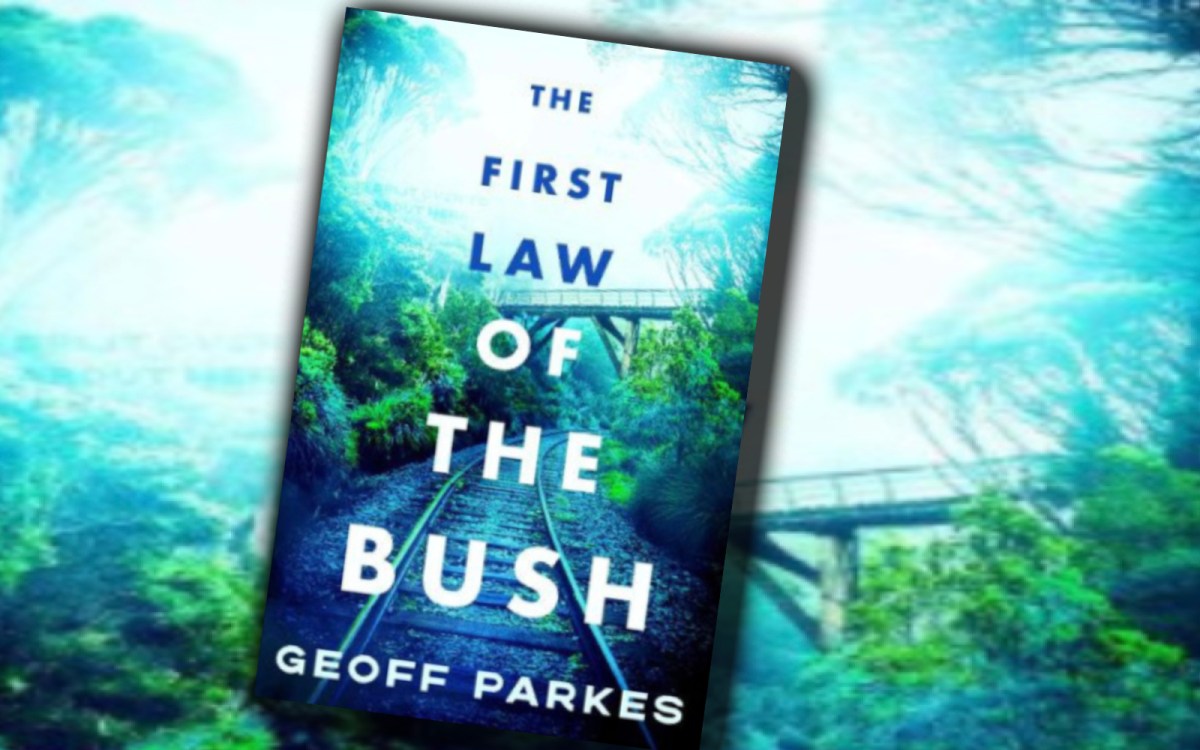
I asked my book guru for a book with plot. I’m writing the outline of a potential novel which needs a properly complicated sub-plot – the sort where a bloke does one little thing that he shouldn’t and things snowball dramatically to a killer twist at the end. Not my usual type of writing, or reading for that matter. “Read The First Law of the Bush,” said Phil. So I did.
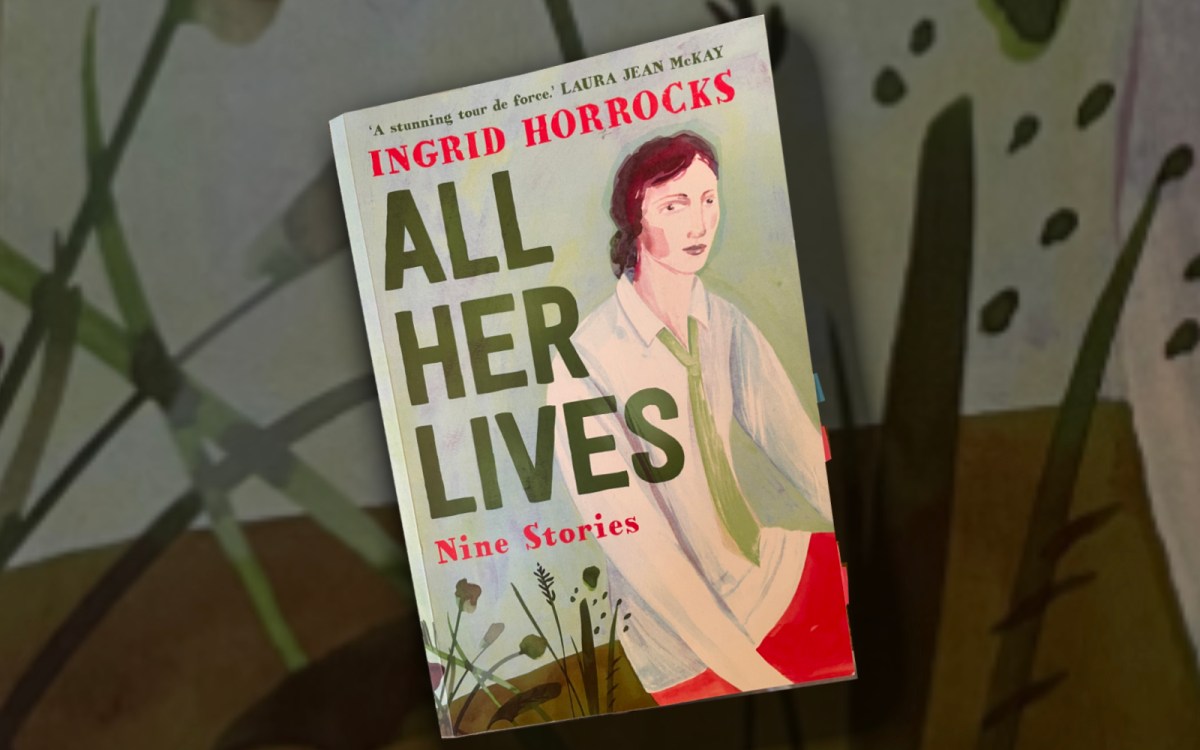
Ingrid Horrocks’ book, All her Lives, currently shortlisted for the Jann Medlicott Acorn Prize for Fiction, contains nine short stories of women across different generations. The stories span from a tenacious woman chasing stolen silver on the Norwegian coast in 1795 via a Berlin nightclub in 2005 to a woman who visits her son in prison, today. The stories are elegantly constructed, totally different but all the same, each telling of a woman negotiating her place to stand amongst the men around her. If you’re looking for the voice of the Universal Woman she’s here, in these collected works, in a consideration that runs through all these lives like a subcutaneous layer of fat. Simply: How do I, as a woman, negotiate communication with men?
I’m always delighted when I find a terrific New Zealand historical fiction from the past that I’ve missed. The Mannequin Makers was published in 2013 by Penguin and now on my list of top NZ hist fict to recommend. This is no sweeping saga of real events, rather a strange small town rivalry that mostly takes place in a shop window. With mannequins. Sounds quirky? Well, yes, in the sense that the story is unconventional and miles away from the usual immigrant saga, but it thankfully misses all the usual shit that comes with ‘quirky’, there is no manufactured cheesiness or forced charm, no ‘found family’ of misfits. Craig Cliff soars above all that.
I reviewed Mandy Hager’s Strays & Waifs as part of the great Kapiti fiction theme – there are so many good reads coming from that stretch of coast. Something in the wind, perhaps. Strays was the first gutsy read in the series ‘Chasing Ghost Mysteries’, now followed by book two, Revenge and Rabbit Holes, which again, is a mix of thriller, mystery/crime plus ghost story, with a healthy dollop of Mandy Hager’s signature ‘fight for what’s right’ theme. I like a book that’s high on entertainment but still manages to have decency anchored in its body.
I’ve had a great run with publishers Cuba Press — Mary and Paul and all the other dedicated workers who have supported their efforts to publish local books, beautifully. It was Mary’s very cool idea to get some of their authors metaphorically on a bus tour for a gig in Hawke’s Bay.
THURSDAY 12 FEBRUARY, 6PM HAVELOCK NORTH LIBRARY Free event. Refreshments. Books for sale. RSVP: books@wardini.co.nz
Poets Michael Fitzsimons and Simon Sweetman (well known music reviewer) will be there, and Andrew Wright channelling the extraordinary Shirley Bagnall Metcalfe and her life in the early days between two rivers, Tracy Farr with the brilliant novel Wonderland which has left me star-struck and championing her for the Ockhams this year (obvious choice, I know), me talking history and murder and colonialism, and all tied up in a bow by Mary McCallum, novelist and publisher of Cuba Press… but also on this night wearing her poet’s hat and tackling the hens with her collection of read-out-loud poems.
That’s a lot of writers gathered together for an evening, and all keen to yabber about poetry, novels, writing, publishing, life. Come along and join us for a hell of a night.
The Wonderful Wardini Books will have books for sale.
Featuring:
Michael Fitzsimons, High Wire: author of Michael, I Thought You Were Dead.
Simon Sweetman, The Richard Poems: author of The Death of Music Journalism.
Andrew Wright, My Three Rivers: the unpredictable waters of rural life.
Tracy Farr, Wonderland: Marie Curie and an early Wellington circus family. What? Yes!
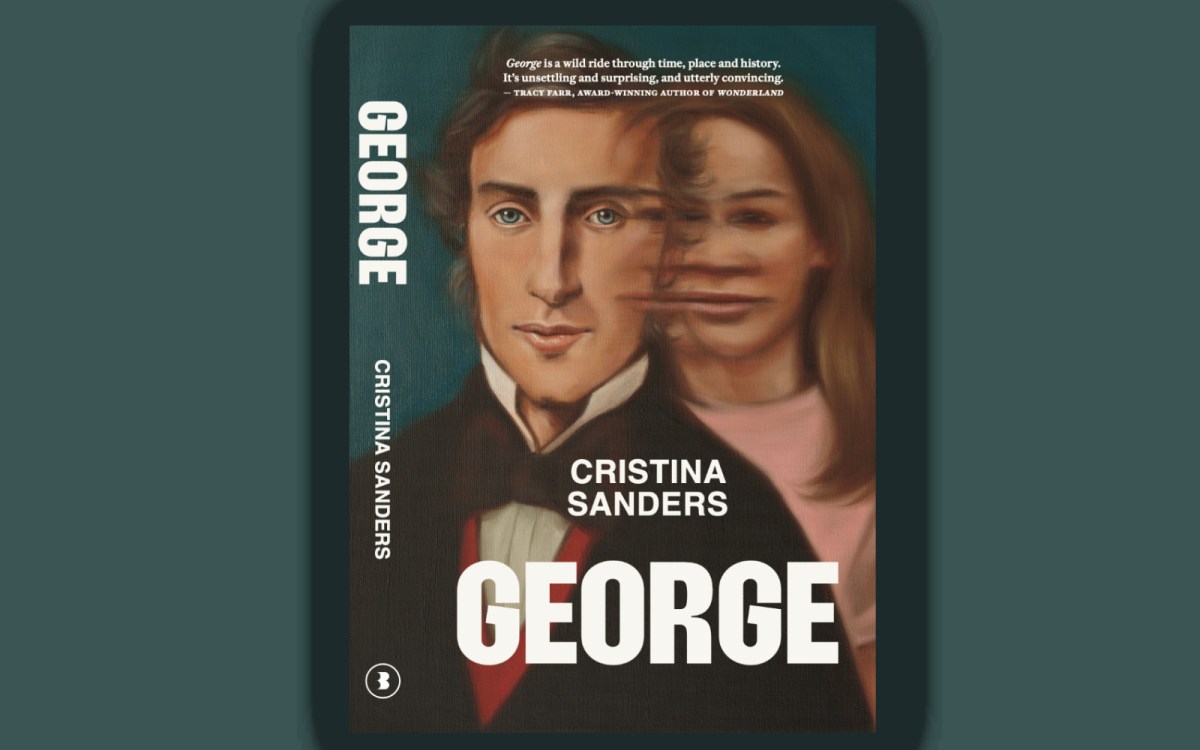
Cristina Sanders, Ōkiwi Brown, colonial Wellington and its degenerates.
Mary McCallum, Tackling the Hens. Both the name of her fab book of poems and also an apt description of what she’ll be doing on the night, probably.
Here’s another interesting look at how we view history, seems very much the topic du jour (see What We Can Know), this time by local author Flora Feltham, contained in a set of wandering essays that I enjoyed tremendously. Just the title, Bad Archive, tells you that this is going to be an opinionated work with something awry – slanting truths perhaps, ironic labels on ordinary things. Just the way I like my archives.
Empathy, I think, is one of those words that is overused and misused. It’s often used to express feelings of compassion or pity, though is not the same thing at all. Empathy is not a matter of expressing how you, too, have strong emotions that are similar to another’s. It’s a vicarious thing, it’s about letting go of your feelings and experiencing those of another person. And empathy applies to more that just pity, as Bryan Walpert explores in his intriguing new book, Empathy.
I guess Dominic Hoey sets his street cred early on in this story by throwing in a couple of ‘cunts’, just in case readers mistake him for an IIML grad. That would be a mistake. You can’t study to write authenticity like this.
Hoey’s previous story, descriptively calledPoor People With Money is about youngsters on the edge in Auckland, making bad choices and rocking the consequences on a wild ride to a village so small. It’s on my list of classics of the decade. Can he do it again?
I didn’t know political biographies could be like this. There’s not a nasty bone in its body. I haven’t read a book so uplifting for a long time but I shouldn’t be surprised. I mean, Jacinda Ardern’s signature is kindness. No one was expecting she’d take the opportunity now she has left office and living overseas to get stuck into the dozens of goons she must have had to deal with on a daily basis.