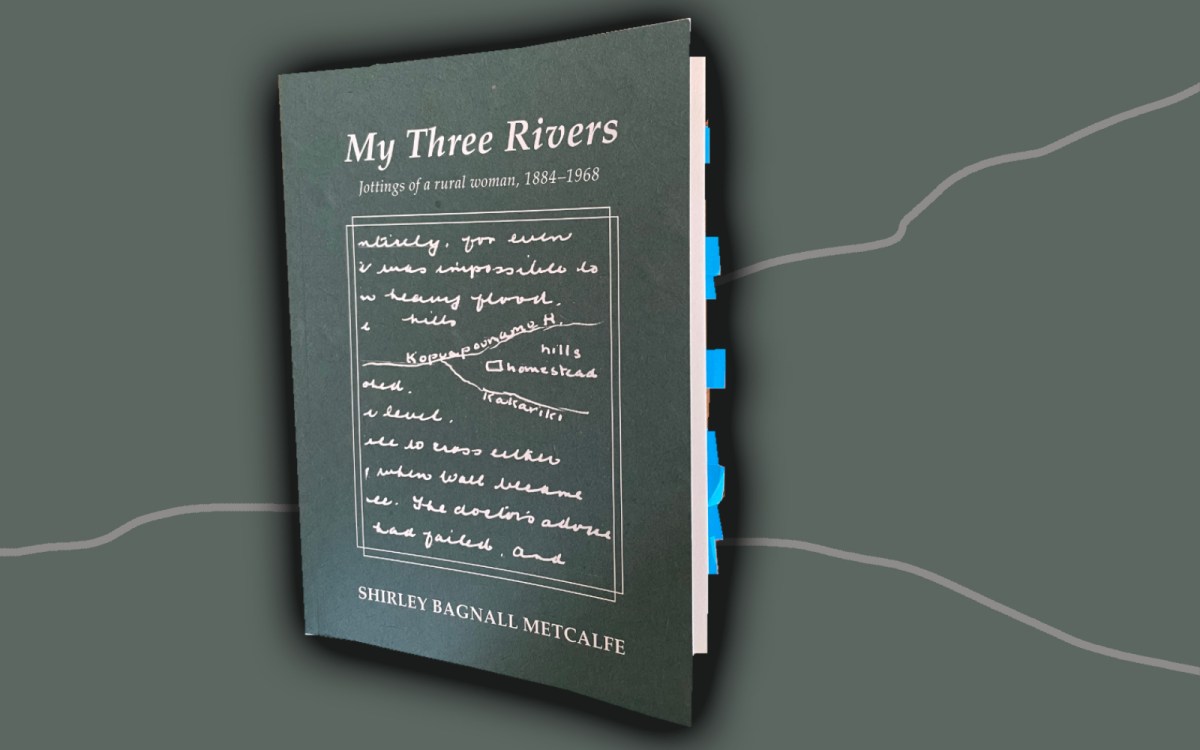
My Three Rivers – book review

My Three Rivers, by Shirley Bagnall Metcalfe
This book was a real surprise. Shirley Bagnall Metcalfe’s book on life in NZ’s early outback is subtitled “Jottings of a rural woman 1884-1968”. It sounds like it could be a bit staid. A little bit domestic. Grandmotherly, perhaps. But Shirley is a tour de force, a gutsy and practical woman with a hell of a life story and a cup that is never half-empty, despite the extremes of her life, but always, just like those bloody rivers, filled right to the brim and overflowing. She has gusto, does Shirley, and has a young, friendly voice. I wish we’d been friends. I’d have followed her anywhere.

Continue reading “My Three Rivers – book review”

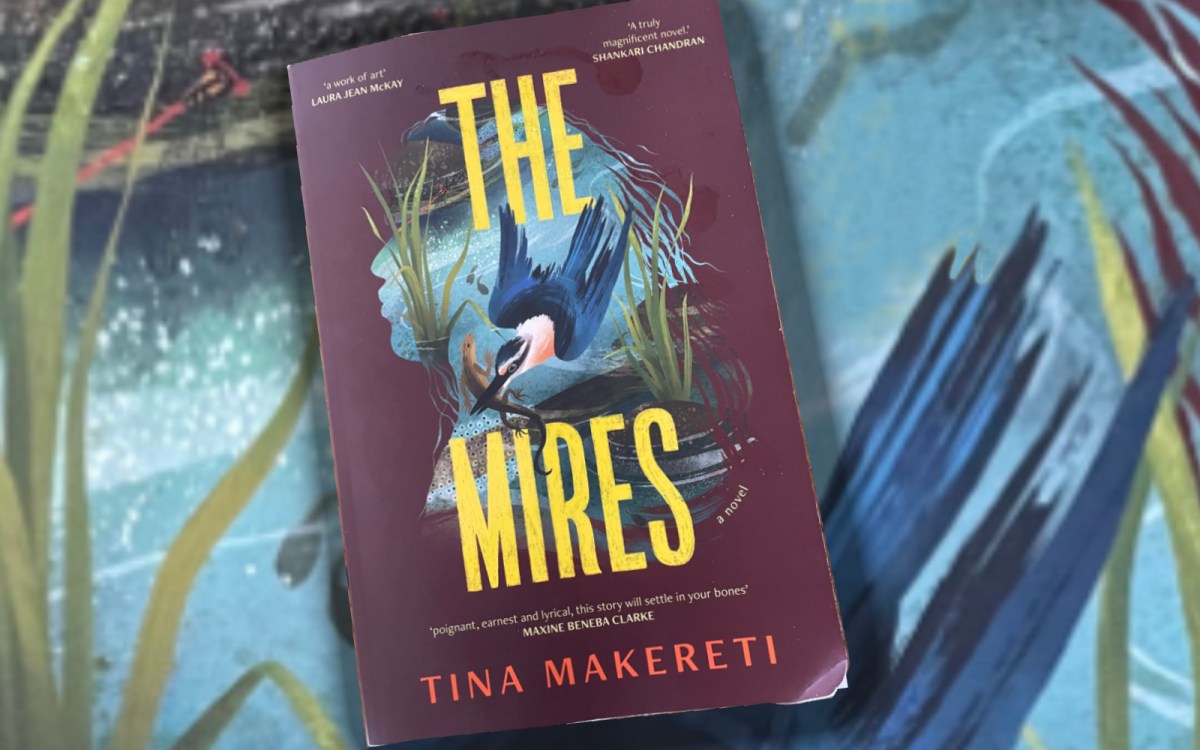
The Mires – book review

The Mires, by Tina Makareti

I always enjoy Tina Makareti’s descriptive writing and here she gives us a real undercurrent of murky rising damp. A swamp pervades this story, running between things and below the surface, always slightly unnerving. Always out, and back, the collective breathing of all the waters flowing through all the channels of the earth. I had a sense of a whole system of communication and connection all around that I couldn’t see. I wasn’t sure it meant me well. This is an unsettling read.

Continue reading “The Mires – book review”

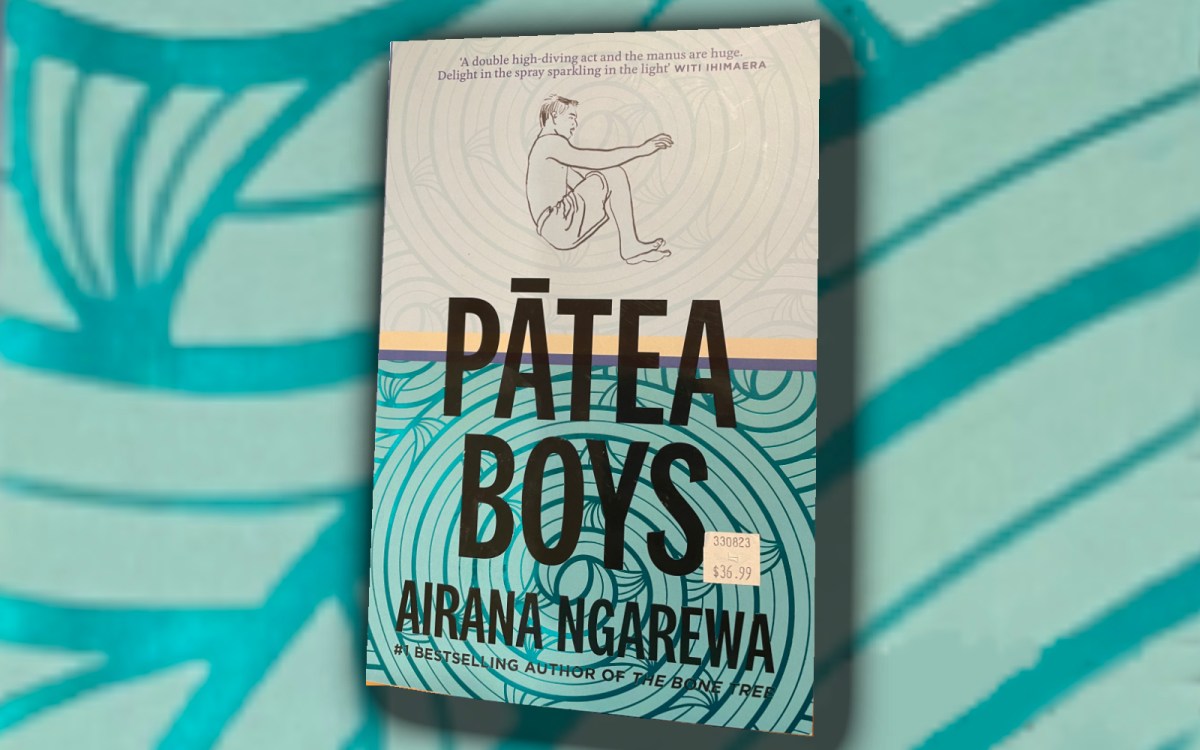
Pātea Boys – Book review

Pātea Boys, Ngāti Pātea, by Airana Ngarewa

I want to give this book to all the manu-ing bros and cuzzies who are living overseas to remind them what home feels like on the skin. Listen to me, I’m not even Māori. Airana Ngarewa just has that effect on me.

These short stories in Pātea Boys (Ngāti Pātea in the te reo version) are mostly funny yarns, bookmarked by vaping aunties, drenched with boys leaping into water for the sheer hell of it. Airana makes Pātea sound like the best place to spend a childhood, as timelessly cool as its number one hit: Poi E which has taken up residence on loop in my head and threatening to break through at inappropriate moments (actually, perhaps no moment is inappropriate for Poi E). There’s a tint of rose-coloured nostalgia cloaking the old town: harmless fun, boys besting each other: the meanest manu, the fastest race, the most near-death experiences, best prank. But it’s not all a laugh. We go back to a young girl running light-footed through forest in the dark, an ancestor of these kids, one who slips past the colonial forces to light a signal fire. There’s a sentient historic waka sunk on the river bank finally rescued from the mud after over a century by a couple of idiotic, bantering kids. Life is not all dive bombs and kai, but these are the things remembered.

Continue reading “Pātea Boys – Book review”

Ripiro Beach–book review

Ripiro Beach, by Caroline Barron

There is so much to enjoy in this book. I felt immediately I was in good hands, with a writer who had the confidence to take her time describing scenes to bring me into her space and letting me settle into the surroundings before moving on to the action. We could be in a park by an Auckland motorway, in a nightclub, or at Ripiro beach, and each scene is painted with a keen sense of observational detail. Here’s a paragraph that really is worth reading twice, just for the pleasure of the writing:

Continue reading “Ripiro Beach–book review”

Kāwai – book review

Kawai, by Monty Soutar

We seem to have been waiting such a long time for this book. Kāwai is truly groundbreaking and I hope that it clears the way for more stories in this historical and cultural setting. So what’s the big deal with Kāwai and why has it been so phenomenally successful?

Firstly, no one has published such an epic saga of Māori life before, and the timing now is impeccable. It seems Soutar has been coming all his life to be writing this story now (for such a time as this), when not only does he have the necessary contacts and learning and experience, but there is an audience with a huge appetite for stories and discussions of our history and people. Just look at how the bestsellers lists over the past three or four years have been dominated by things Māori. We’re open and primed for a big, readable Māori story that would have been unthinkable twenty, even ten years ago. And here it is and it’s fascinating.

Continue reading “Kāwai – book review”

Waitapu—book review

Waitapu, by Helen Waaka

I read Waitapu over a couple of leisurely evenings and loved it. It’s a beautiful book, elegantly written and so evocative of every small town in New Zealand that we know from a drive past, or a dip into when we visit a grandparent. I remember going with a Wellington friend home to small town NZ and this takes me back there, the interconnected community, the talk across the fence, the visits. There was a sort of pride that everyone knew each other but an embarrassment, too. My friend couldn’t wait to be away again.

Continue reading “Waitapu—book review”

Rangitira—book review

Rangitira, by Paula Morris

What a great book to follow my previous read, This Thing of Darkness. Both Thompson and Paula Morris’s book relate to the 19th Century notion of taking indigenous people from distant lands back to England to “civilise” them and show them off as curiosities. In Thompson’s book, Captain FitzRoy uplifts three Fuegians to ship home, and in Morris’s book the Rangitira travel voluntarily to England. Whichever way you look at it, this is manifest colonial exploitation.

Paula Morris is a descendent of Rangitira’s narrator, the wonderful Paratene Te Manu, Ngāti Wai, and she writes her tupuna with a sure voice. He comes across as a thoughtful and gracious man who, in 1886 while having his portrait painted by Gottfried Lindauer, relates the story of his voyage to England some twenty years before.

Continue reading “Rangitira—book review”

This pākehā life — book review

This pakeha life — an unsettled memior, by Alison Jones

What does it mean to be Pākehā?

There are hundreds of answers, all of them right. I am Pākehā. I know it, I feel it, though I wouldn’t presume to categorise anyone else, and I stand to be corrected at any time. To me, being Pākehā assumes some kind of relationship with Māori (even as simple as not-Māori) without necessarily defining what that relationship is.

Continue reading “This pākehā life — book review”