The Seventh Son – book review

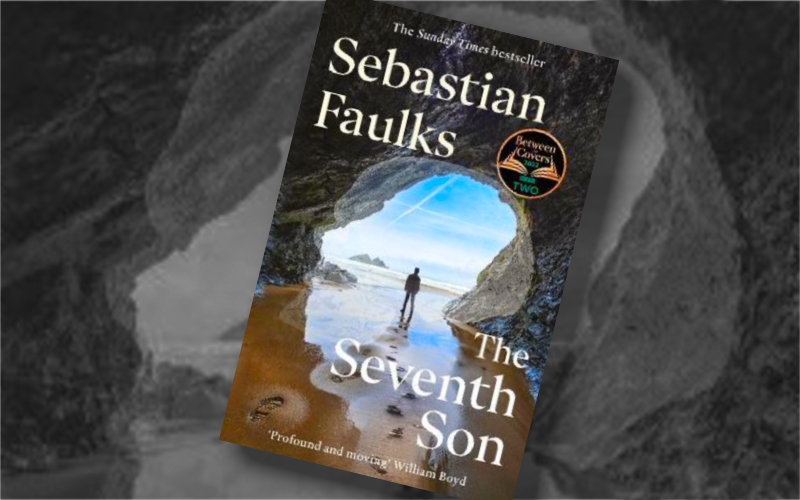
The Seventh Son, by Sebastian Faulks

There are books that are a joy to read for their elegant writing, and books you devour for their clever plot. This was both for me. I could feel it calling from my bedside table as I went through my day. It’s centered around interesting, provocative subjects – mostly genetics and anthropology –which gives it lots of potential for a book club read, and kicks off a conversation that starts: what if this really happened? However…

Continue reading “The Seventh Son – book review”

Ingenious Pain – book review

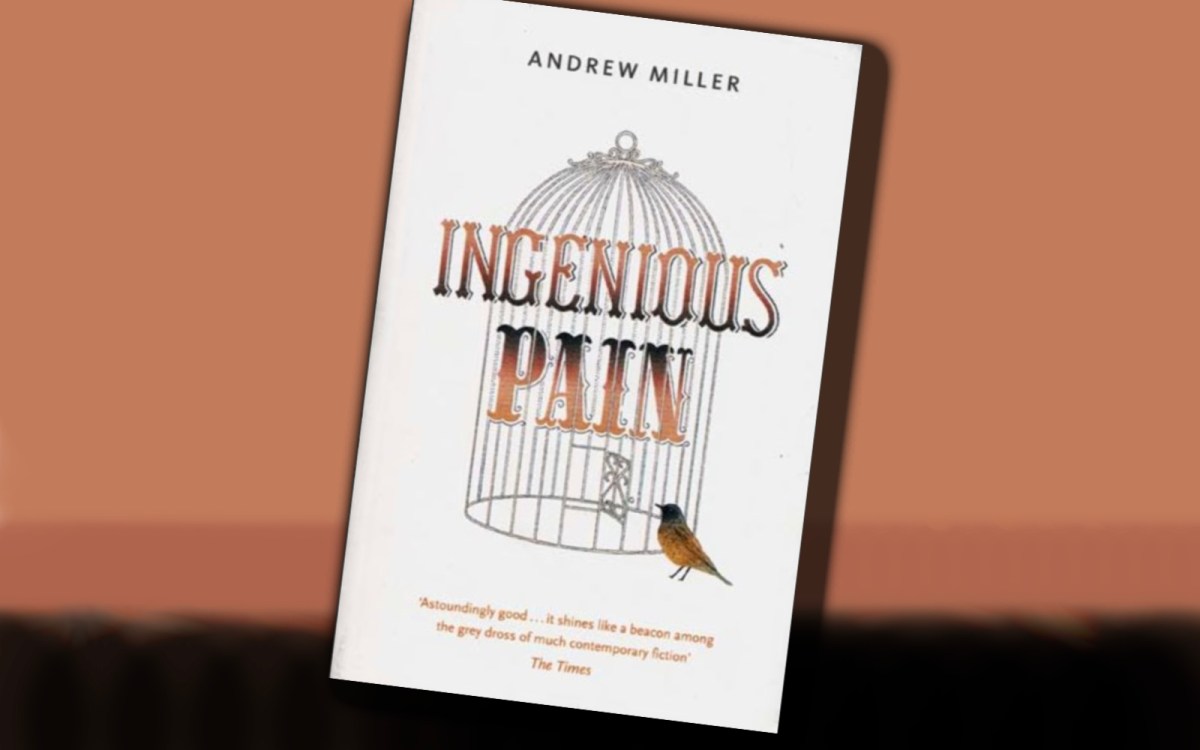
Ingenious Pain, by Andrew Miller

This book was recommended by a good reader to me, one with a shared love of historical fiction. It’s by Andrew Miller, who later wrote the fabulous but misnamed Pure about the stink of a cemetery in Paris in 1785, which I thoroughly recommend for a wallow in atmospheric history. Ingenious Pain not so much. There are flashes of writing that evoke time and place brilliantly, like: “Candlemas, 1767. The streets perfumed with coal smoke and frost, the night sky richly hammered with stars.” Perfect. A whole description in fifteen words. But these word-riches are not as frequently distributed as in Pure, and don’t flow as easily. I will still recommend Ingenious Pain, but if you’re only going to read one Miller, make it Pure, for sure.

Continue reading “Ingenious Pain – book review”

The Bone Tree – book review

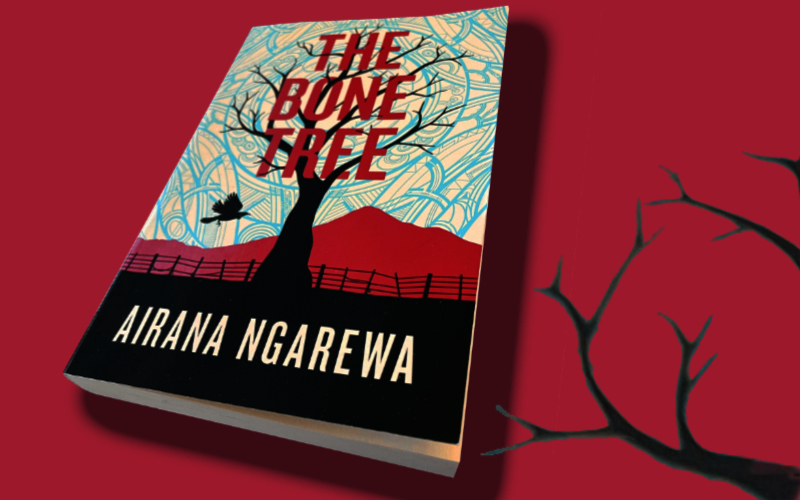
The Bone Tree, by Airana Ngarewa

I met Airana at a book festival. He’s a presence – full of youth and energy and a willingness to be in the moment. He speaks the reo in a voice that carries across an audience and compels you to listen. No wonder his debut book is so gripping. I reckon when this guy has a story, you’ll want to sit up and listen.

The Bone Tree is, yes, another story of a dysfunctional Māori family living on the edge. In this case, they’re toppling over. There is little relief and no laughs; it’s the story of the misery of a good kid – I was going to say ‘who deserves better’, but of course all kids deserve better than this. The Bone Tree is narrated by Kauri, also called Cody by fat-tongued white folk, the implication being that his name is never written down. He lives in a totally dilapidated house on a bit of land in the ‘wopwops’. When his mum dies, dad carries her body out to bury her somewhere on the land, and later the kids do the same for the dad. Kauri’s dad, a violent alcoholic, has left him with a bad shoulder and a scar under his right eye, and maybe the boy’s life will be better without him. When the little brother, Black, gets sick, Kauri is the sole caregiver with no sense of how to save him. His main focus is to hide the fact the the kids are alone, to prevent CYPS from taking Black into care. This fear of the authorities underlies the whole story and it is malignant and irrational and yet, for this child, is the bedrock of his belief. He eventually walks to the city and is given food and Māori medicine, and his brother continues to decline.

Continue reading “The Bone Tree – book review”
Light Keeping – book review

Light Keeping, by Adrienne Jansen

This is a book full of big skies and troubled horizons. There is trauma and drama in the pulsing light. There’s a car spinning sideways and a small wooden railing, orphaned children, loss of purpose, loss of hope, a dinghy rowed out to sea. The light is both a beacon and a searcher, highlighting trouble at sea, trouble at home.

Continue reading “Light Keeping – book review”

English Passengers – book review

English Passengers, by Matthew Kneale

This novel, like most colonial fiction stories told in the last 25 years, looks back at history and describes why the English should feel abhorrence and shame. I found the story interesting – the premise of a group of miss-matched individuals on a voyage to Tasmania and back is a good hook for me – but there was something here I found a bit off, and I’m trying to put my finger on it. I think, to me, it seemed the author, for all he researched events and geography well, was an outsider. He wasn’t wholly present in the period or the location. Perhaps we have woken up since it was published in 2000. I hesitate to use the word ‘flippant’ but it did feel the purpose of the story was to entertain us with the terrible things those crazy colonials did back in the day rather than explore something more nuanced: how these potentially good men could be so blind, perhaps; or what these psychologies meant to the people there, on the ground. The Aboriginal part of the story is told in first person by a boy whose mother is taken, chained and raped by an Englishman and the boy is blond. I’m not sure I trust Kneale’s telling of his voice and culture; I was always aware of the English pen behind the voice as I read, and I cringed, occasionally.

Continue reading “English Passengers – book review”

Americanah – book review

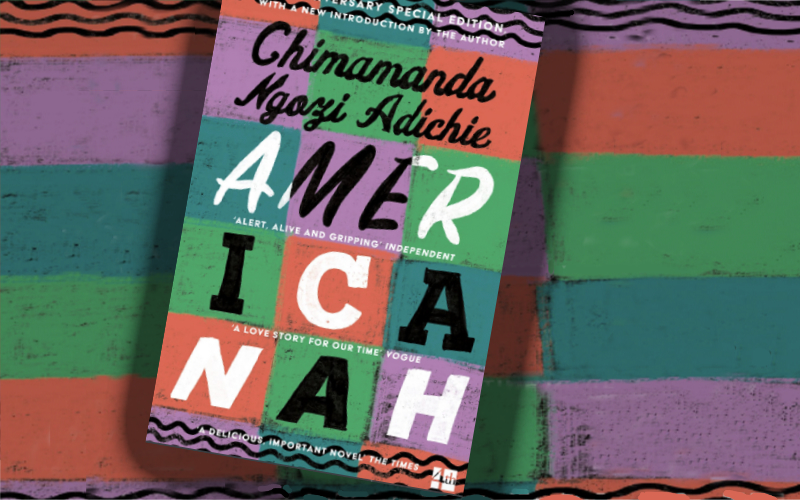
Americanah, by Chimamanda Ngozi Adichie

What is it, to be an Americanah? That’s the question at the core of this wonderfully rich story, along with other such essential questions, such as what is it to be foreign in America or Britain? What hold does a country have over prospective immigrants, how is it perpetuated? How are different cultures and races valued? And of course, as at the heart of any great novel, how does love work?

Continue reading “Americanah – book review”

Tom Lake–book review

Tom Lake, by Ann Patchett

Another great read from Ann Patchett. I loved The Dutch House, so was minded to enjoy this new work. And I did, though maybe not quite as much.

Tom Lake is really a tribute to Thornton Wilder, who is a bit out of my frame, not being a big reader of Americana, but no matter. The story centres around his play, Our Town, that feels very pancakes-on-the-griddle homely and probably doesn’t have the connotations for non-Americans that those folksy folk enjoy. Our narrator, Lara, finds herself (almost accidentally) type-cast as the fresh faced young woman in Our Town, first in her home town and later at Tom Lake, a theatre company in Michigan. She is Emily, the sweet thing. She can’t seem to pull off anything else.

Continue reading “Tom Lake–book review”

Yellowface–book review

Yellowface, by Rebecca Kuang

I don’t know about this book. I didn’t like it. I feel a bit like I’ve been stuck in one of those one-sided conversations where you agree with the argument but feel you’re being hit about the head with a puppet.

Continue reading “Yellowface–book review”

We Were Liars – book review

We Were Liars, by e lockhart (her l/c)

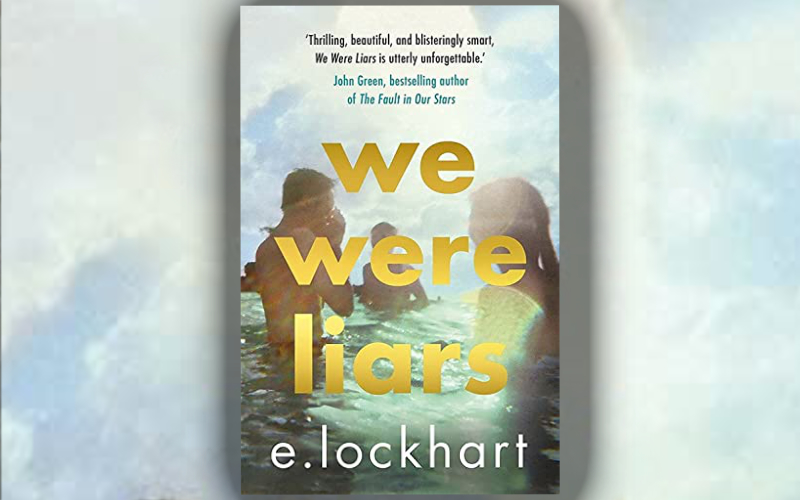
I read this soon after the fatuous Pineapple Street, confirming that the joy of reading (of course!) is all in the writing rather than the setting. This story, again, features wealthy New Yorkers with more privilege entitled on them than seems fair. This family have their own island on which they spend summer; grandfather and the aunts all in separate houses through which the kids wander. But where Pineapple Street struts the flashy surface of monied lives, We Were Liars goes deep with plot and character and story. It’s a good story, a coming of age and a mystery you don’t realise is a mystery until things stop adding up.  Here, our girl, Cadence, introduces us to her three companions and lets the story rip.

Continue reading “We Were Liars – book review”

Everything is Beautiful and Everything Hurts –book review

Everything is Beautiful and Everything Hurts, by Josie Shapiro

Partly, this book is the story of a woman running the Auckland marathon. There’s a lot of determination, a lot of pain, much questioning and self-doubt. It is a tactical race, and we get the feel early on that our runner, Mickey, knows what she is about and is in it to win it. This race runs alongside the story of how our woman came to be here, next to the ocean, running her heart out. I thought the marathon was superbly written (and run) and I was with Mickey through all the pain and the euphoria.

Continue reading “Everything is Beautiful and Everything Hurts –book review”