Strays & Waifs – book review

Strays and Waifs, by Mandy Hager
While we’re on the theme of great Kapiti fiction (The Mires, Sea Change), Mandy Hager’s Strays & Waifs gives a deeper and more sinister element to that usually plucky community of coast dwellers. I should point out that while Mandy Hager is a warm and generous person herself, this is not ‘cosy crime’. Her signature themes are here in this story – environmentalism, protest, kindness as a power – but they are up against some pretty confrontational evil.

Continue reading “Strays & Waifs – book review”

At the Grand Glacier Hotel – book review

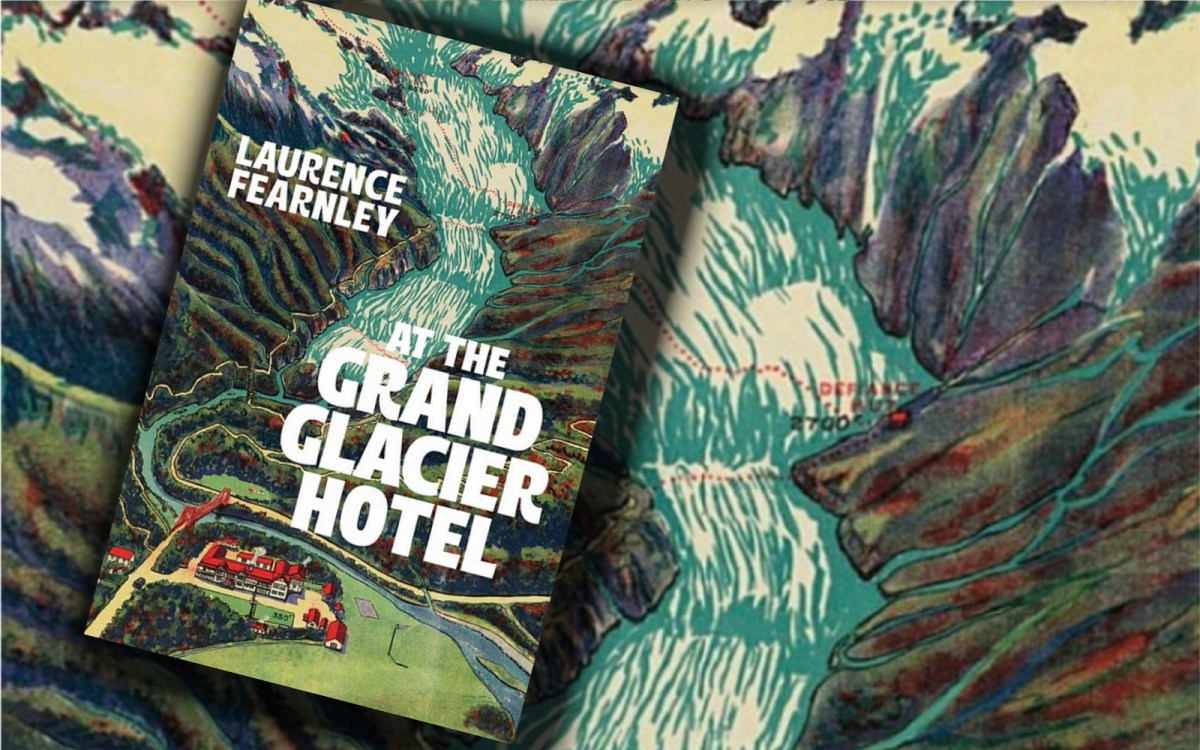
At The Grand Glacier Hotel, by Laurence Fearnley

Laurence Fearnley sure knows how to write. I loved Libby’s voice in the book from the off, assured, authentic, telling a story in a way that fully engaged me. And I love the idea of The Grand Glacier Hotel – we’re a bit low on mountains up here in the north but I pictured the Chateau on Ruapehu and imagined the fading glory of such a place against the backdrop of the Southern Alps. It’s a terrific setting for a story, a touch of Hotel du Lac, a place where people go with baggage that needs to be put down for a while.

Continue reading “At the Grand Glacier Hotel – book review”

Sea Change – book review

Sea Change, by Jenny Pattrick

This is a familiar genre, a story of a bunch of plucky underdogs against big money developers. It reminds me very much of Patricia Grace’s lovely Potiki, of which I wrote: “This is a simple story of good verses evil, weak versus strong, country v commerce, tangata whenua v greedy imperialists… the imbalance of power … lives threatened by the Dollarman who will bulldoze away their traditional lifestyle and smother their ancestral lands with rather obvious bad things.” Jenny Pattrick’s Sea Change is a similar story set a few miles around the coast in a Paekākāriki-ish village, and a few decades later. There are two main changes. The first is that Grace’s Māori community is replaced by a collection of unrelated randoms: retirees, hippies, dysfunctional families, escapists, hermits. This could be a cliché of small town residents, but those of us who have lived up the coast know the truth behind these depictions. They grow into a sort of ‘found family’ with their power not in their iwi identity but in the coming together of a mixed community. The second difference is the tidal wave.

Continue reading “Sea Change – book review”

The Mires – book review

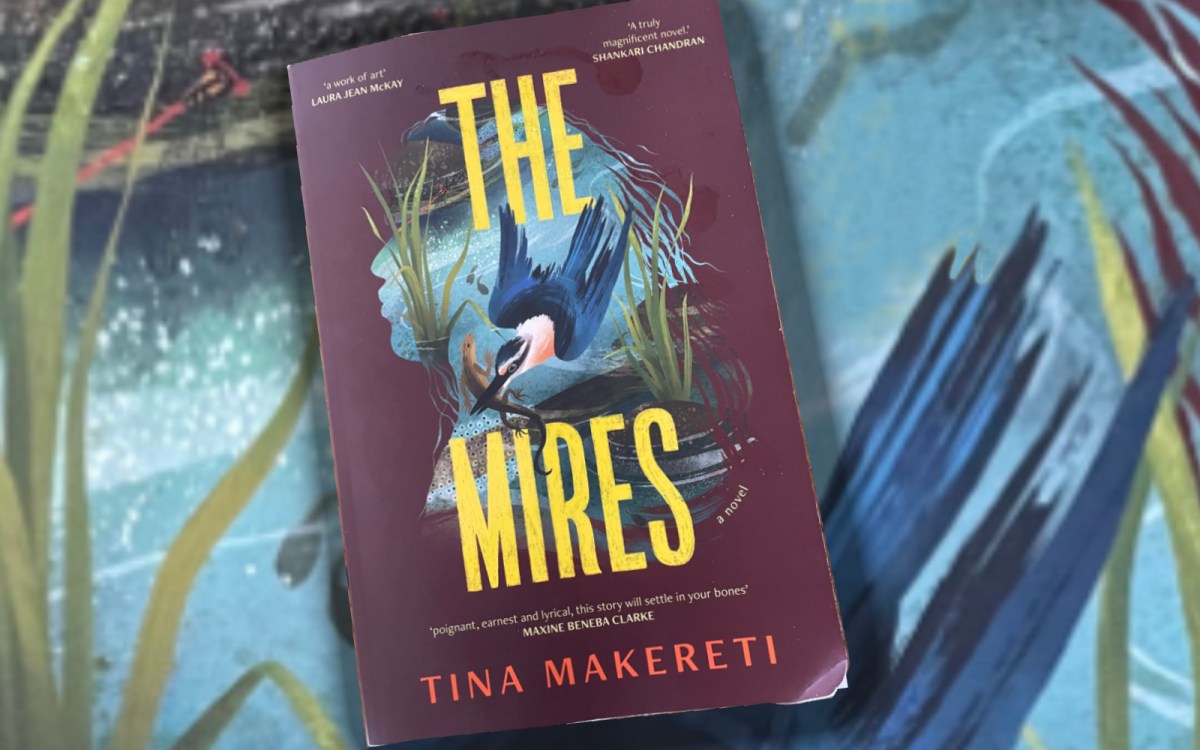
The Mires, by Tina Makareti

I always enjoy Tina Makareti’s descriptive writing and here she gives us a real undercurrent of murky rising damp. A swamp pervades this story, running between things and below the surface, always slightly unnerving. Always out, and back, the collective breathing of all the waters flowing through all the channels of the earth. I had a sense of a whole system of communication and connection all around that I couldn’t see. I wasn’t sure it meant me well. This is an unsettling read.

Continue reading “The Mires – book review”

The Household – book review

The Household, by Stacey Halls

Dickens only appears in the background of this story, although the stamp of his concerns and values are everywhere. The Household is the story of historic Urania Cottage, an establishment set up by Dickens in the mid 1840s for ‘fallen women’, told through the eyes of two of the women and also their benefactrix, Angela Burdett-Coutts. So much misogyny in that word ‘fallen’ when you’d think falling is something a woman is capable of doing on her own. Expressions like The girls fell pregnant” and “…poor Lydia Rice had started a child” manage, so wonderfully, to excuse men of responsibility entirely.

At Urania Cottage the aim is to help these women rise up and help themselves by teaching them domestic skills before sending them off to Australia, God help them, to find useful jobs and husbands. Help both noble and patronising in that ridiculous Victorian way that pulls your heart.

Continue reading “The Household – book review”