
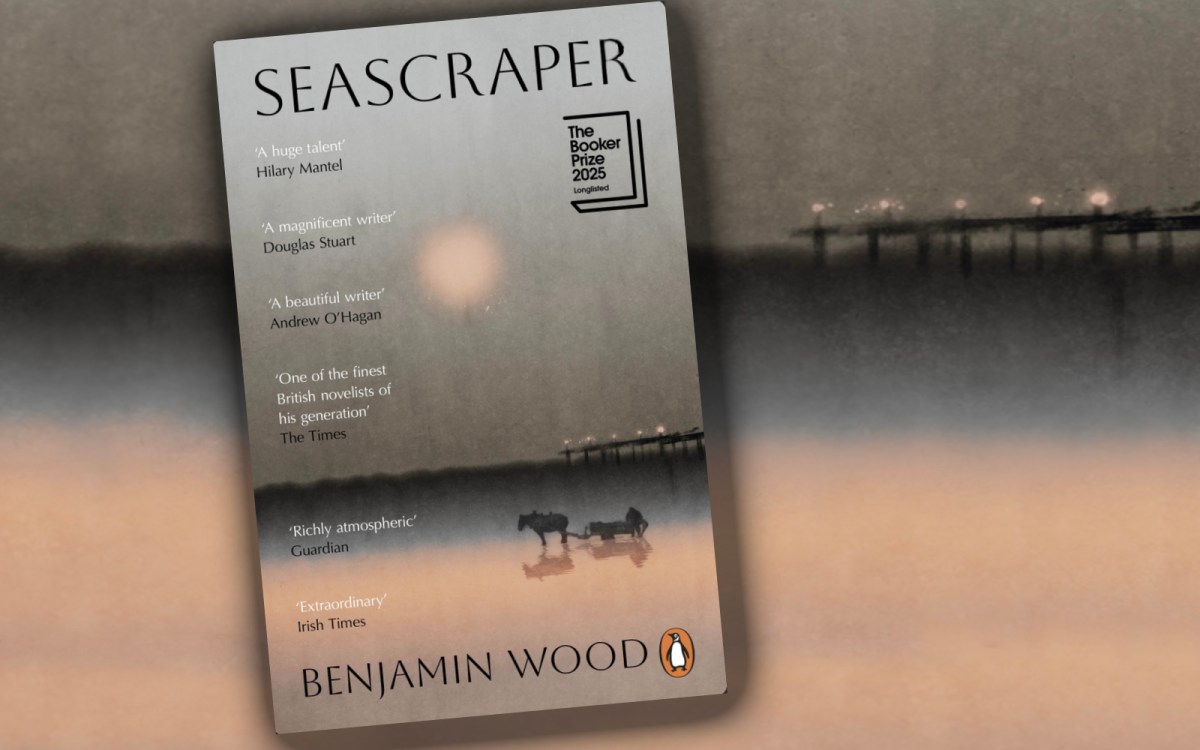
Thomas Flett lives in a fictional seaside town of Longferry with his mother. He is a ‘shanker’ and takes his horse and cart out on the mudflats when the tide goes way out, trawling for shrimp. Coasts like Morcombe Bay immediately come to mind, with its treacherous history of drowning as the tide races for miles on the ebb and flow, faster than you can run, leaving quick sands and strandings. In this beautiful, hugely atmospheric book, Thomas, a thinker and observer, takes us with him out on the shifting sand.
He learns the trade from his grandpa, a gruff and loving man of the mud. “Pop would terminate by giving him a chore to do. Wash out that riddle and stop moaning. Patch the corner of that whisket with a bit of wax, too, while you’re at it – here, just melt this candle over it. I’ll sort it out when we get back.”
They live in a small house and need to make room for the tub into the living room when he takes a bath. Always short of cash. “His ma – great schemer that she is – thinks he should get a bank loan to upgrade his operation: buy a scrapyard lorry chassis and an engine, add the shed and boiler with a bit of help from a mechanic. But he doesn’t have that sort of motivation.” He really doesn’t. His dreams go in other directions, to a friend’s sister, the lovely Joan, for whom he scrubs the mud off his boots and changes the shirt “vinegary beneath the armpits” before going to the Post Office where she works, trying not to limp on his painful ingrown toenails. Also to his music–lyrical folk songs he writes on a guitar hidden in the horse box, a talent he believes he inherits from his dead, maligned father.
In a perfectly placed turning point, Edgar Acheson comes to town, all Hollywood glamour and beautiful car with talk of movies and their production, their setting. He is making a film and has a vision of a horse and cart way out on a tidal beach in a dim, moody light and thinks he has found this, in Longferry, in Thomas. He opens his wallet and is generous with the cheque. Thomas becomes his assistant location scout.
At first Thomas is wary. “He’s always been suspicious of excitement – nothing he anticipates is ever worth the wait or turns out quite the same as he expects.” But he is encouraged by his mother who can’t resist a handsome man with a good wallet. Thomas wakes early and gives up his morning shanking to take Edgar around the sites and out on the sand.
You feel the damp and the cold as you read this novella. The pull of the tide on your legs is a visceral thing, it drags on the horse, and you are with these men, watching the surface of the water for the telltale dimples that indicate quicksand. There are patches of it all over, but Thomas has a map in his head. Tells Edgar he is safe with him.
There is music and a kind of yearning in Thomas that might lead to other places, take him away from Longferry. Perhaps Edgar Acheson is his turning point?
Beautiful book. Everyone I talked to who has read it has absolutely loved it. A sure-thing present for a friend. Shame the Booker Prize judges didn’t pick it from the longlist this year. It feels like a winner to me.

 Cristina Sanders' blog